




Dandruff Treatment: 9 Root Causes for Indian Hair
- Dandruff is not primarily a scalp hygiene problem and anti-dandruff shampoos alone rarely produce lasting results because they address only the fungal surface expression of what is most often an internal problem. The 9 root causes of dandruff in Indian women include Malassezia fungal overgrowth, excess sebum, gut dysbiosis, hormonal imbalance, nutritional deficiencies, chronic stress, dry scalp, hard water damage, and scalp microbiome disruption from harsh products.
- Malassezia, the yeast-like fungus that triggers dandruff, lives on all human scalps naturally. It becomes a problem only when internal conditions allow it to overgrow: excess sebum from hormonal imbalance or stress, weakened immune regulation from gut dysbiosis, and nutritional deficiencies that impair the scalp's barrier and antifungal immune response. Treating Malassezia topically without addressing these internal conditions produces temporary improvement followed by return of dandruff.
- SuperRadiance addresses four dandruff root causes simultaneously: Turmeric reduces scalp inflammation, Spirulina provides zinc and B vitamins for scalp skin cell function, Ashwagandha reduces cortisol-driven sebum overproduction, and Brahmi supports scalp follicle health and reduces Malassezia-triggered inflammation.
- The gut-skin axis is a primary but under-recognised driver of persistent dandruff in Indian women. Gut dysbiosis produces inflammatory molecules that reach the scalp through the bloodstream, weakens the immune regulation that normally keeps Malassezia at manageable levels, and impairs absorption of the zinc and B vitamins that scalp skin cell function depends on.
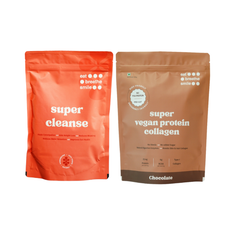
- PMOS-related dandruff is driven by elevated androgens increasing scalp sebum production, feeding Malassezia. The Healthy Hair Bundle provides internal hormonal and nutritional support that scalp-only treatment cannot reach. PRO-GUT Vegan Protein Collagen addresses the protein, scalp barrier (Seabuckthorn omega-7), and oxidative inflammation (Astaxanthin) dimensions of dandruff that neither the Healthy Hair Bundle nor topical shampoos fully cover.
- All EBS products are FSSAI approved, MSDS certified, and tested for heavy metals. 100 percent natural. 100 percent vegan. No preservatives.
- Dandruff vs Dry Scalp: Understanding the Difference
- How Malassezia Triggers Dandruff: The Root Biology
- The 9 Root Causes of Dandruff in Indian Women
- Gut Health and Dandruff: The Internal Connection
- Hormones, PMOS, and Cortisol: Why Dandruff Keeps Coming Back
- Nutritional Deficiencies That Drive Scalp Problems
- Natural Scalp Treatments That Work
- Scalp Care Practices That Prevent Dandruff
- What Makes Indian Hair Dandruff Different
- Who Gets Dandruff Most in India
- Related Reading
- Frequently Asked Questions
Dandruff is one of the most common scalp complaints among Indian women, and also one of the most persistently mismanaged. The typical response is a medicated anti-dandruff shampoo, which may reduce visible flaking for a few weeks before the dandruff returns as soon as the shampoo is stopped. This cycle repeats because the shampoo addresses the surface symptom: the Malassezia fungus on the scalp. It does not address why Malassezia is overgrowing, which is almost always an internal story involving gut health, hormonal balance, nutritional status, and chronic stress.
At Eat Breathe Smile, the Healthy Hair Bundle (SuperRadiance and SuperHerbs together, with a free hair guide) addresses dandruff at the internal level through anti-inflammatory, nutritional, hormonal, and cortisol-regulating mechanisms. Every EBS product is FSSAI approved, MSDS certified, and tested for heavy metals, with reports on the EBS certifications page.
As Health and Life Coach Nipa Asharam observes in practice: the women with the most stubborn, recurring dandruff almost always have at least two or three internal root causes operating simultaneously, not just one. A good anti-dandruff shampoo manages the fungal load on the scalp, but until the internal drivers of that fungal overgrowth are addressed, the shampoo is doing maintenance rather than treating anything.
Last reviewed: July 2026
1. Dandruff vs Dry Scalp: Understanding the Difference
Before addressing root causes, the distinction between dandruff and dry scalp matters because they look similar but require different approaches.
Dry Scalp
Dry scalp produces small, white, fine flakes that fall easily and are not attached to the scalp. The scalp itself feels tight and itchy, particularly in dry weather or after washing. It is caused by inadequate scalp moisture retention, often from harsh shampoos, hard water, insufficient dietary fat intake, or dehydration. Treatment focuses on moisture restoration: gentler shampoos, scalp oiling with appropriate carrier oils, and nutritional support for the scalp's lipid barrier.
Dandruff (Seborrheic Dermatitis)
True dandruff produces larger, oily or waxy flakes that may be yellowish and tend to clump rather than fall freely. The scalp is often oily and red rather than tight and dry. It is driven by Malassezia fungal overgrowth feeding on excess scalp oil and triggering an inflammatory response that accelerates skin cell shedding. Both topical antifungal treatment and internal management of the factors driving Malassezia overgrowth are required for meaningful, lasting improvement.
Key distinction for Indian women: Indian women are more likely to have true dandruff (seborrheic dermatitis) than dry scalp, because the combination of India's humid climate (which promotes Malassezia growth), relatively oily scalp types in Indian populations, and the hormonal factors discussed in this article creates conditions that strongly favour Malassezia overgrowth rather than the dryness that produces a flaky scalp without fungal involvement.
2. How Malassezia Triggers Dandruff: The Root Biology
Malassezia is a genus of yeast-like fungi that naturally colonises every human scalp. At normal population levels, it is harmless. Dandruff occurs when Malassezia overgrows and its metabolic byproducts irritate the scalp enough to trigger an inflammatory immune response.
The Oleic Acid Mechanism
Malassezia feeds on scalp sebum fatty acids and produces oleic acid as a byproduct. Research published in Frontiers in Cellular and Infection Microbiology confirmed that oleic acid penetrates the scalp skin barrier and triggers an inflammatory cascade producing the redness, itching, and accelerated skin cell shedding that characterise dandruff. Dandruff severity is directly proportional to how much Malassezia is present, which depends on how much sebum is available to feed it.
Why the Fungus Responds to Internal Health
The immune system normally keeps Malassezia at non-inflammatory levels. When it is compromised by gut dysbiosis, nutritional deficiencies, or chronic stress, Malassezia overgrows. This is why internal health determines whether topical dandruff treatment produces lasting results or only temporary suppression: shampoos manage the fungal load, but the immune system decides whether it stays managed.
There is a small percentage of people who are specifically hypersensitive to oleic acid and experience significant dandruff even with normal Malassezia populations. For most Indian women, however, the dandruff pattern reflects either excess sebum feeding the fungus, compromised immune regulation of it, or both. The distinction matters because hypersensitive dandruff responds more to antihistamine approaches and specific scalp barrier restoration, while the more common sebum-excess type responds to the internal interventions described in this article.
3. The 9 Root Causes of Dandruff in Indian Women
| Root Cause | How It Contributes to Dandruff | Identifying Signs | Primary Intervention |
|---|---|---|---|
| Malassezia overgrowth | Produces oleic acid that irritates the scalp and triggers inflammation and cell shedding | Oily, waxy flakes; scalp redness; worsens in humidity | Antifungal scalp treatment (topical) alongside addressing the internal conditions allowing overgrowth |
| Excess sebum (oily scalp) | Provides the food source for Malassezia overgrowth | Oily scalp within 1 to 2 days of washing; dandruff clumps rather than flakes | Reduce sebum drivers: hormonal balance, cortisol management, dietary changes |
| Gut dysbiosis | Weakens immune regulation of Malassezia; produces systemic inflammation reaching the scalp | Dandruff alongside digestive symptoms; skin conditions elsewhere on the body | Gut microbiome rebalancing through diet and SuperCleanse |
| Hormonal imbalance (PMOS) | Elevated androgens increase scalp sebum production, feeding Malassezia | Dandruff worsens premenstrually or during stress; associated with oily skin and acne | Address insulin resistance and androgen excess at the hormonal root |
| Stress and elevated cortisol | Increases sebum production and suppresses the immune response to Malassezia | Dandruff clearly worsens during high-stress periods and improves during calmer periods | Cortisol management: sleep, Ashwagandha, stress practices |
| Nutritional deficiencies | Zinc and B vitamin deficiencies impair scalp skin cell function and antifungal immunity | Persistent dandruff despite good scalp hygiene; may coincide with hair fall or fatigue | Zinc, B12, essential fatty acids through diet and Spirulina-containing supplements |
| Dry scalp | Disrupts the scalp's protective lipid barrier, increasing vulnerability to Malassezia | Small, fine, dry flakes; tight scalp feeling; worse in dry or cold weather | Gentle shampoo; scalp oiling; dietary fat intake; hydration |
| Hard water | Calcium and magnesium deposits disrupt scalp barrier and reduce shampoo effectiveness | Dandruff worsens after moving cities or in different water supplies | Shower filter; apple cider vinegar rinses; chelating shampoo monthly |
| Harsh shampoos and overwashing | Strip scalp microbiome and natural oils, triggering rebound sebum overproduction | Dandruff worsens the more frequently hair is washed; scalp feels worse after washing | Gentler shampoo; reduce wash frequency; scalp microbiome restoration |
4. Gut Health and Dandruff: The Internal Connection
Of the 9 root causes, gut dysbiosis is the most under-recognised and the one most often missing from dandruff management plans.
How the Gut-Skin Axis Affects the Scalp
The gut-skin axis describes the direct communication pathway through which gut bacterial balance affects skin and scalp health. Research published in Gut Microbes confirmed the documented link between gut microbiome composition and inflammatory skin conditions, establishing the biological basis for gut-driven scalp inflammation in dandruff. When gut bacteria are imbalanced, two things happen simultaneously: inflammatory molecules produced by the gut enter the bloodstream and reach the scalp, and the immune system's ability to regulate Malassezia population deteriorates. The result is dandruff that is driven partly from outside (Malassezia on the scalp) and partly from inside (systemic inflammatory signal from the gut).
Zinc and B12 Absorption Through the Gut
Gut health determines how well zinc and B vitamins are absorbed. A gut with damaged or inflamed lining absorbs them poorly regardless of diet quality, creating scalp-level nutritional deficiency even in women eating zinc and B12-rich foods.
SuperCleanse and the Gut-Scalp Connection
SuperCleanse is the most directly relevant EBS product for dandruff driven by the gut-scalp root cause, because it addresses gut bacterial rebalancing through two complementary mechanisms simultaneously.
Triphala (Haritaki, Bhibhitaki, and Amalaki) in SuperCleanse has documented prebiotic effects on gut bacterial composition, selectively feeding the beneficial bacteria that produce short-chain fatty acids, maintain gut lining integrity, and support the immune regulation that keeps Malassezia at manageable levels on the scalp. When Triphala rebalances the gut microbiome, the scalp's immune environment improves as a downstream consequence, not immediately but consistently over 4 to 6 weeks of regular use.
Manjistha is one of Ayurveda's primary herbs for blood purification and has a specific traditional association with skin and scalp inflammatory conditions. It is included in SuperCleanse precisely for this reason: to reduce the circulating toxins and inflammatory load that gut dysbiosis sends into the bloodstream and that reach the scalp to worsen Malassezia-triggered inflammation. Ajwain provides additional carminative digestive support that reduces the fermentation-driven gut inflammation that compounds the scalp picture.
SuperCleanse is taken half a teaspoon in warm water on alternate nights after dinner. This nightly timing supports the gut microbiome rebalancing process during the overnight period when the digestive system is in its recovery phase rather than processing a meal.
For women with dandruff that has not responded to topical anti-dandruff shampoos despite consistent use, SuperCleanse for the gut root cause is often the missing piece. Start SuperCleanse on alternate nights for 4 weeks before reassessing scalp improvement, since the gut microbiome changes that reduce scalp inflammation take several weeks to reflect in visible dandruff reduction.
5. Hormones, PMOS, and Cortisol: Why Dandruff Keeps Coming Back
For Indian women with recurring dandruff that responds to treatment and then returns, hormonal drivers are usually involved.
PMOS, Androgens, and Scalp Sebum
PMOS involves elevated androgens that stimulate scalp sebaceous glands to produce excess oil, feeding Malassezia. Women with PMOS notice dandruff worsening premenstrually and during stress. Until androgen excess is addressed at the hormonal root, anti-dandruff treatment manages but never resolves the underlying pattern.
Cortisol and the Sebum-Immunity Double Hit
Elevated cortisol from chronic stress produces a double impact on dandruff: it stimulates sebaceous glands to produce more sebum (feeding Malassezia) and simultaneously suppresses the immune response that normally keeps Malassezia in check (allowing it to grow more aggressively). Research published in the Indian Journal of Psychological Medicine confirmed Ashwagandha root extract significantly reduced cortisol in chronically stressed adults, directly addressing this stress-dandruff connection. SuperHerbs from EBS provides Ashwagandha taken half a teaspoon nightly after dinner, working through the overnight period to support healthier cortisol rhythm.
SuperRadiance for Hormonal Scalp Health
SuperRadiance provides Ashwagandha for cortisol support alongside Turmeric for scalp anti-inflammatory action, Spirulina for zinc and B vitamin scalp nutrition, and Cinnamon for insulin sensitisation that reduces the androgen-driving insulin resistance of PMOS. Research published in the Journal of Ethnopharmacology confirmed Brahmi's (Bacopa monnieri) documented stimulation of scalp keratinocyte proliferation, supporting follicle cell health and scalp tissue renewal that the dandruff-inflamed scalp specifically needs. Taken 1 teaspoon in warm water every morning before breakfast, SuperRadiance addresses hormonal, nutritional, and follicle-level scalp support simultaneously.
Healthy Hair Bundle: Internal Support for Persistent Dandruff
SuperRadiance for scalp inflammation, cortisol, and nutritional root causes. SuperHerbs for overnight hormonal and cortisol balance. Free hair guide included. FSSAI approved, heavy metal tested.
Shop the Healthy Hair Bundle6. Nutritional Deficiencies That Drive Scalp Problems
Many Indian women with persistent dandruff are managing a scalp that is not receiving the nutrients it needs for normal skin cell function and antifungal immune response.
Zinc: The Most Critical Scalp Mineral
Zinc regulates scalp skin cell turnover (preventing the abnormally rapid shedding that produces dandruff flakes), sebum production (zinc deficiency increases sebum output), and the antifungal immune response that controls Malassezia. Zinc deficiency is common in Indian vegetarian diets, where the primary zinc sources (meat, shellfish) are absent or limited, and where the high phytic acid content of dal, wheat, and rice reduces zinc absorption from plant sources. Spirulina in SuperRadiance provides a bioavailable plant zinc source alongside its B vitamin content.
B Vitamins: Scalp Cell Metabolism
B6 and B12 are required for normal scalp skin cell metabolism. B12 deficiency is particularly common in Indian vegetarians and directly affects how quickly and evenly scalp skin cells turn over. When B12 is deficient, skin cell turnover becomes irregular, producing the clumped, uneven shedding that appears as dandruff. Spirulina is one of the few plant-based sources of B12 precursors and provides comprehensive B vitamin support alongside its zinc content.
Omega Fatty Acids: The Scalp Barrier
Essential fatty acids maintain the scalp's protective lipid barrier that prevents Malassezia from penetrating deeper skin layers. When omega intake is inadequate, the barrier becomes compromised, increasing Malassezia access and triggering a stronger inflammatory response. Seabuckthorn omega-7 in PRO-GUT Vegan Protein Collagen specifically supports scalp mucosal barrier repair alongside gut lining support.
Protein Deficiency and Scalp Cell Renewal
Protein is needed for three things that directly affect dandruff: scalp skin cell production (cells are made from amino acids), immune protein synthesis (the antifungal immune response that keeps Malassezia controlled depends on adequate protein), and scalp collagen and keratin structure. When protein is chronically low, scalp cell renewal slows and becomes irregular, contributing to the abnormal shedding pattern that worsens dandruff. This is particularly relevant for Indian vegetarian women whose daily protein often falls short of requirements without deliberate planning. PRO-GUT Vegan Protein Collagen provides complete hemp and rice protein alongside Astaxanthin, which reduces the oxidative inflammation component of the Malassezia-triggered oleic acid cascade directly at the cellular level. One scoop with or after breakfast covers both the protein gap and the antioxidant protection that the inflamed scalp needs from inside the body.
Zinc and dandruff in clinical research: Research published in the International Journal of Dermatology confirmed serum zinc levels were significantly lower in patients with seborrheic dermatitis than in matched controls, and that zinc supplementation produced meaningful improvement in dandruff severity, establishing zinc deficiency as a direct, correctable contributor rather than merely an associated finding.
7. Natural Scalp Treatments That Work
Effective dandruff management uses both topical treatments to manage the fungal load on the scalp and internal interventions to address the root causes driving that overgrowth. Neither alone produces lasting results.
Tea Tree Oil: Documented Antifungal Topical
Tea tree oil (Melaleuca alternifolia) has well-documented antifungal activity against Malassezia in peer-reviewed research. Adding 5 to 10 drops to a carrier oil (coconut or jojoba) and applying to the scalp 30 minutes before washing twice weekly provides consistent antifungal scalp management without the harsh surfactants in many medicated shampoos. Coconut oil alone has mild antifungal properties from its lauric acid content, making it a useful carrier for tea tree application in Indian hair care routines.
Neem: The Indian Antifungal Tradition
Neem (Azadirachta indica) has documented antifungal and anti-inflammatory properties through nimbidin and azadirachtin compounds. Neem oil or diluted neem leaf extract applied to the scalp before washing addresses Malassezia directly while also reducing the scalp inflammation that makes dandruff symptomatic. Neem-based shampoos are widely available in India and represent a practical, locally appropriate option for topical dandruff management.
Apple Cider Vinegar: Scalp pH Restoration
Apple cider vinegar (diluted 1 part to 3 parts water) as a post-shampoo scalp rinse helps restore the scalp's natural acidic pH that inhibits Malassezia growth, removes hard water deposits, and addresses the scalp environment in which the fungus thrives.
Turmeric in SuperRadiance for Internal Anti-Fungal Support
Research published in the International Journal of Molecular Sciences confirmed curcumin's documented NF-kB inhibitory effects that reduce the inflammatory response Malassezia triggers, reducing dandruff severity from the inside. SuperRadiance provides Turmeric with Black Pepper (significantly increasing curcumin bioavailability), meaning its anti-inflammatory scalp support works systemically rather than only at the surface.
If dandruff is accompanied by significant scalp redness, crusting, or weeping areas, or extends visibly to the eyebrows, nose creases, or ears (which seborrheic dermatitis can do), a dermatologist consultation is appropriate before beginning a self-directed natural treatment plan. These patterns may indicate more significant seborrheic dermatitis or scalp psoriasis that benefits from medical diagnosis before management.
8. Scalp Care Practices That Prevent Dandruff
Beyond treatment, consistent scalp care practices maintain the environment in which dandruff is less likely to recur.
Wash Frequency: Finding the Right Balance
Under-washing accumulates sebum feeding Malassezia. Over-washing strips the scalp barrier and triggers rebound sebum overproduction. Washing every 2 to 3 days with a gentle, low-sulphate shampoo is appropriate for most Indian women with dandruff tendency. Dry scalp types should wash no more than twice weekly.
Scalp Oiling: The Right Way
Heavy oils left on the scalp overnight accumulate and feed Malassezia. Lighter carrier oils (jojoba, argan) with antifungal additions (neem, tea tree) applied for 30 to 60 minutes before washing are more appropriate than overnight oiling for dandruff-prone scalps. If overnight oiling is a cultural practice, washing thoroughly the same day is important.
Diet and Scalp Health
A diet high in refined carbohydrates increases insulin and androgen levels, driving sebum overproduction. Prioritising zinc-rich foods (seeds, legumes, whole grains), adding omega fatty acid sources (flaxseeds, walnuts, hemp seeds), and ensuring adequate B12 through fortified foods or supplementation addresses the nutritional dimensions of dandruff from the kitchen alongside internal supplements.
9. What Makes Indian Hair Dandruff Different
Indian women face a specific combination of factors that make dandruff more common and more persistent than in many Western populations.
Climate and Humidity
India's tropical and subtropical climate provides ideal conditions for Malassezia, which grows fastest in warm and humid environments. Dandruff often worsens during monsoon season in India despite increased washing, because the humidity accelerates fungal growth faster than more frequent shampoo use can control it.
Higher Rates of PMOS and Hormonal Imbalance
Indian women have among the highest rates of PMOS globally, estimated at 20 to 25 percent in some studies. PMOS drives androgen-related sebum overproduction, making hormonal dandruff significantly more prevalent in India than in lower-PMOS populations. This is why dandruff management in Indian women requires a hormonal dimension that scalp-only treatment cannot address.
Hard Water in Urban India
Most major Indian cities have hard water. Calcium and magnesium deposits disrupt the scalp's lipid barrier, reduce shampoo effectiveness, and alter scalp pH to favour Malassezia. This environmental factor genuinely affects dandruff severity independently of any internal cause.
Traditional Oiling Practices
Frequent heavy oiling can worsen dandruff-prone scalps by providing additional fatty acids for Malassezia. Scalp oiling has genuine benefits for hair shaft health, but dandruff-prone scalps require modification of frequency and duration rather than overnight or daily application of heavy oils.
- Dandruff is driven by 9 root causes: Malassezia overgrowth, excess sebum, gut dysbiosis, hormonal imbalance, cortisol and stress, nutritional deficiencies (zinc, B vitamins, omega fatty acids), dry scalp, hard water, and harsh scalp products. Persistent dandruff almost always involves at least two or three of these simultaneously.
- Anti-dandruff shampoos manage the fungal surface expression of dandruff but do not address the internal conditions allowing Malassezia to overgrow. Lasting improvement requires addressing the internal root causes: gut health, hormonal balance, nutritional status, and cortisol management.
- SuperRadiance addresses four root causes: Turmeric for scalp inflammation, Spirulina for zinc and B vitamins, Ashwagandha for cortisol reduction, and Brahmi for scalp follicle health. SuperHerbs adds overnight hormonal balance. PRO-GUT Vegan Protein Collagen provides complete protein for scalp immune function and cell renewal, Seabuckthorn omega-7 for scalp barrier repair, and Astaxanthin to reduce the oxidative inflammation Malassezia triggers. Together these three products cover all internal dimensions of persistent dandruff.
- Gut health is the most overlooked dandruff root cause. SuperCleanse with Triphala and Manjistha addresses gut microbiome rebalancing and the systemic inflammatory load that gut dysbiosis sends to the scalp, improving the immune regulation that normally keeps Malassezia at manageable levels.
- For PMOS-related dandruff specifically, addressing insulin resistance reduces androgen levels, which reduces scalp sebum production, which reduces Malassezia's food supply. This is a 3- to 6-month process that requires consistent hormonal management rather than only topical scalp treatment.
10. Who Gets Dandruff Most in India
11. Related Reading
12. Frequently Asked Questions
What is the main cause of dandruff in Indian hair?
The primary biological trigger is Malassezia fungus overgrowth on the scalp, producing oleic acid that irritates the scalp and triggers inflammatory flaking. In Indian women, Malassezia overgrowth is driven by humid climate, excess sebum from PMOS or cortisol, weakened immune regulation from gut dysbiosis, and nutritional deficiencies. Section 2 covers the Malassezia mechanism and Section 3 maps all 9 root causes with their identifying signs.
Is dandruff a sign of poor gut health?
Yes. Gut dysbiosis weakens the immune system's ability to regulate Malassezia on the scalp and produces systemic inflammation that reaches the scalp through the bloodstream. Women with both digestive symptoms and dandruff frequently find their scalp improving when gut health is addressed through the Gut Reset Bundle alongside scalp treatment. Section 4 covers the gut-skin axis and dandruff connection in full.
Can stress cause dandruff?
Yes. Elevated cortisol from chronic stress increases scalp sebum production (feeding Malassezia) and simultaneously suppresses the immune response that normally controls Malassezia population. This double impact explains why dandruff reliably worsens during high-stress periods. SuperHerbs with Ashwagandha addresses the cortisol-dandruff connection from the inside. Section 5 covers the cortisol-sebum mechanism in detail.
Does PMOS cause dandruff?
Yes. PMOS involves elevated androgens that directly stimulate scalp sebaceous glands to produce more oil, feeding Malassezia and worsening dandruff. This type of dandruff worsens premenstrually and during stress. Until the androgen and insulin resistance root causes of PMOS are addressed, anti-dandruff treatment produces only temporary improvement. Section 5 covers PMOS-related dandruff and the specific hormonal management approach.
What nutritional deficiencies cause dandruff?
Zinc (scalp skin cell turnover, sebum regulation, antifungal immune response), B6 and B12 (scalp cell metabolism), essential fatty acids (scalp barrier), and protein (scalp immune function and cell renewal) are the most directly relevant. SuperRadiance (Spirulina for zinc and B vitamins) and PRO-GUT (protein, Seabuckthorn omega-7, Astaxanthin) together address the full nutritional picture. Section 6 covers each deficiency in full.
Is hard water making my dandruff worse?
Yes, hard water disrupts the scalp's lipid barrier and alters scalp pH in ways that favour Malassezia. This is particularly relevant in Indian urban environments where hard water is widespread. If dandruff worsens in a new city or water supply, hard water is likely a contributing factor. Apple cider vinegar rinses and shower filters can help. Section 9 covers hard water as one of the India-specific dandruff factors.
How long does it take for dandruff to go away with natural treatment?
Topical natural treatments (tea tree oil, neem) reduce visible flaking in 2 to 4 weeks with consistent application. Internal nutritional interventions take 6 to 8 weeks to show scalp improvement. Hormonal and gut-related dandruff takes 3 to 6 months. A 12-week minimum commitment before evaluating results is realistic for internal approaches.