




Hormonal Balance













Frequently Asked Questions About Hormonal Balance
Q1. What are the signs of hormonal imbalance in women?
Common signs include: irregular or painful periods, unexplained weight gain around the belly, fatigue that does not improve with rest, mood swings, anxiety, hair thinning, acne, low libido, sleep disturbances, brain fog, and bloating. Hormones like estrogen, progesterone, cortisol, insulin, and thyroid are all interconnected — an imbalance in one affects all others.
Q2. How do EatBreatheSmile hormone supplements work?
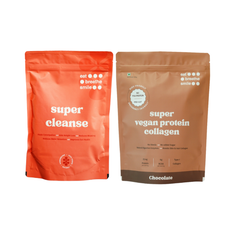
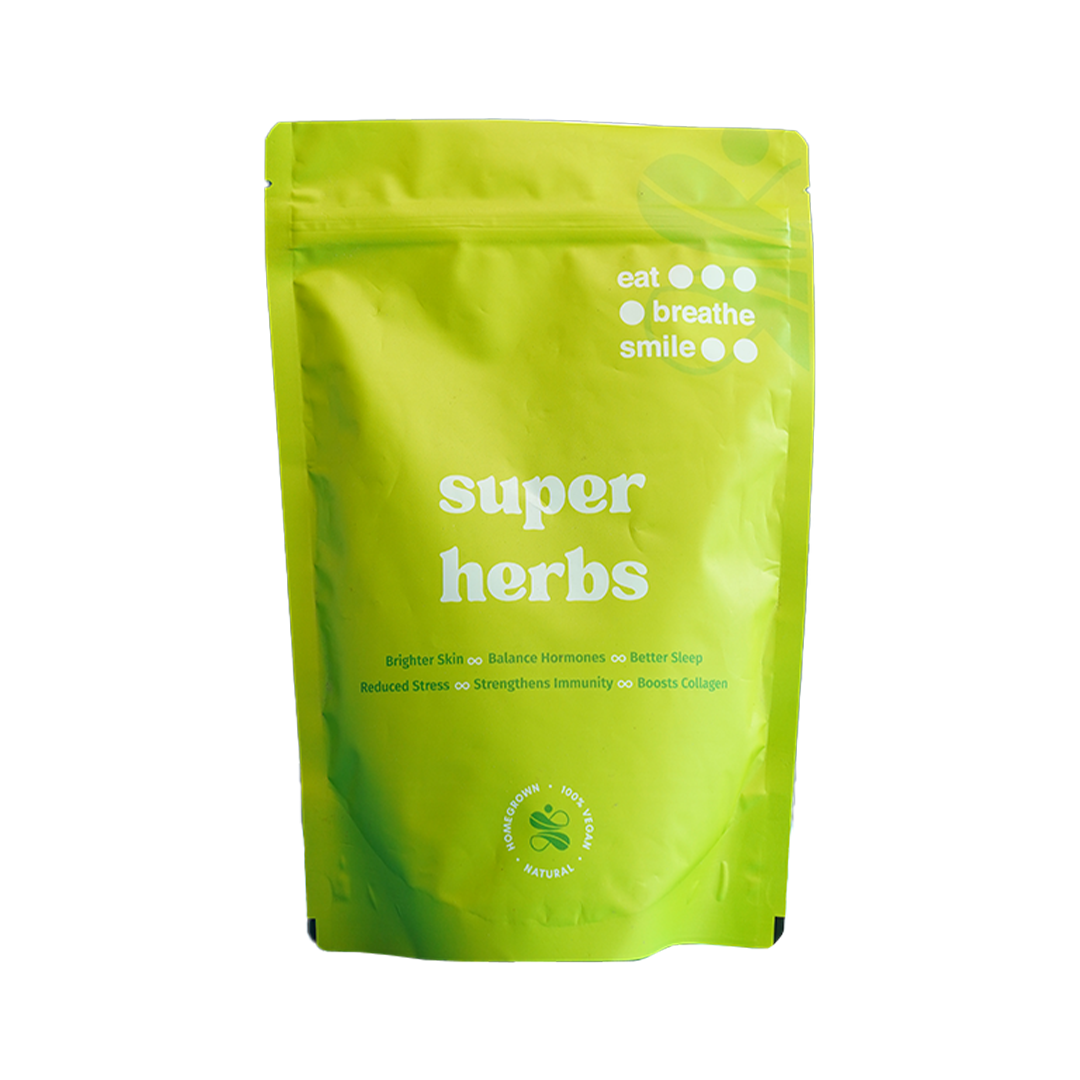
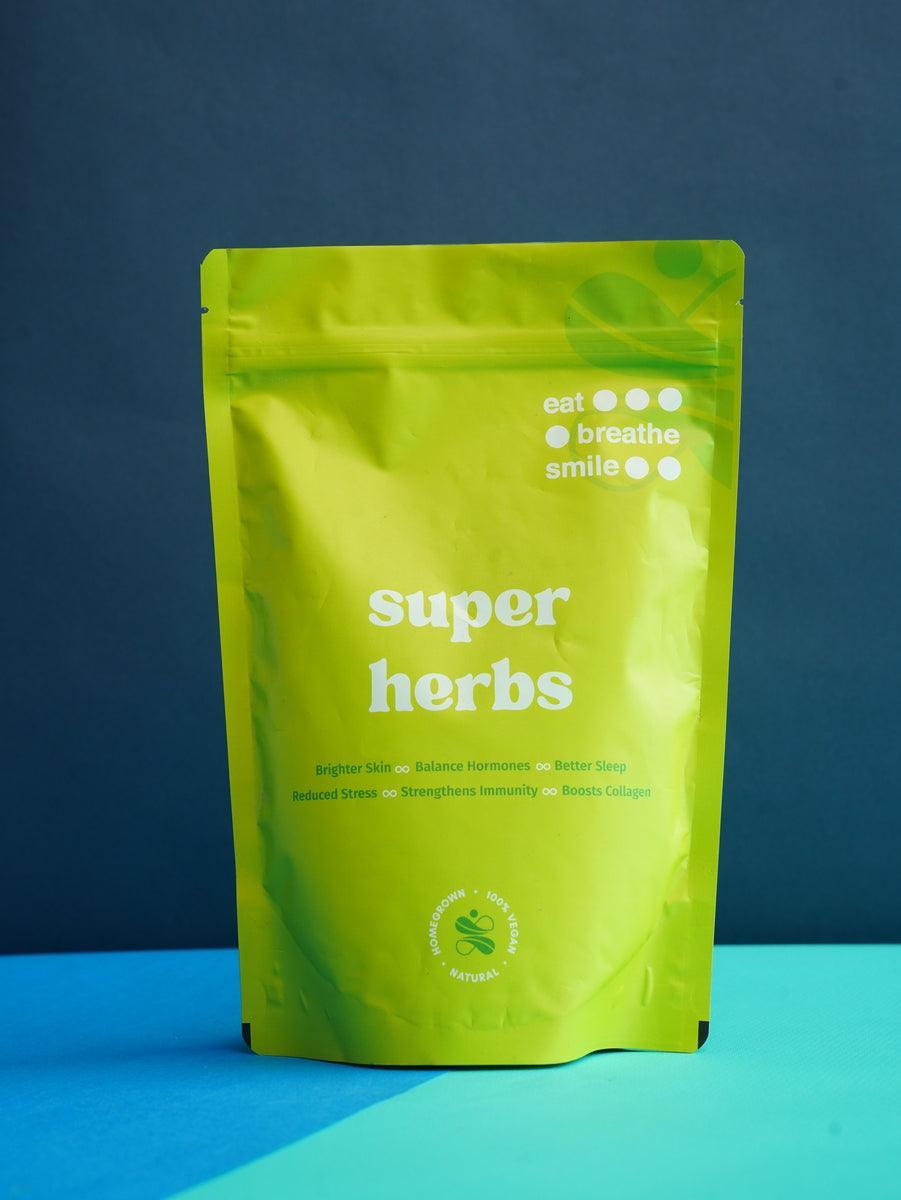
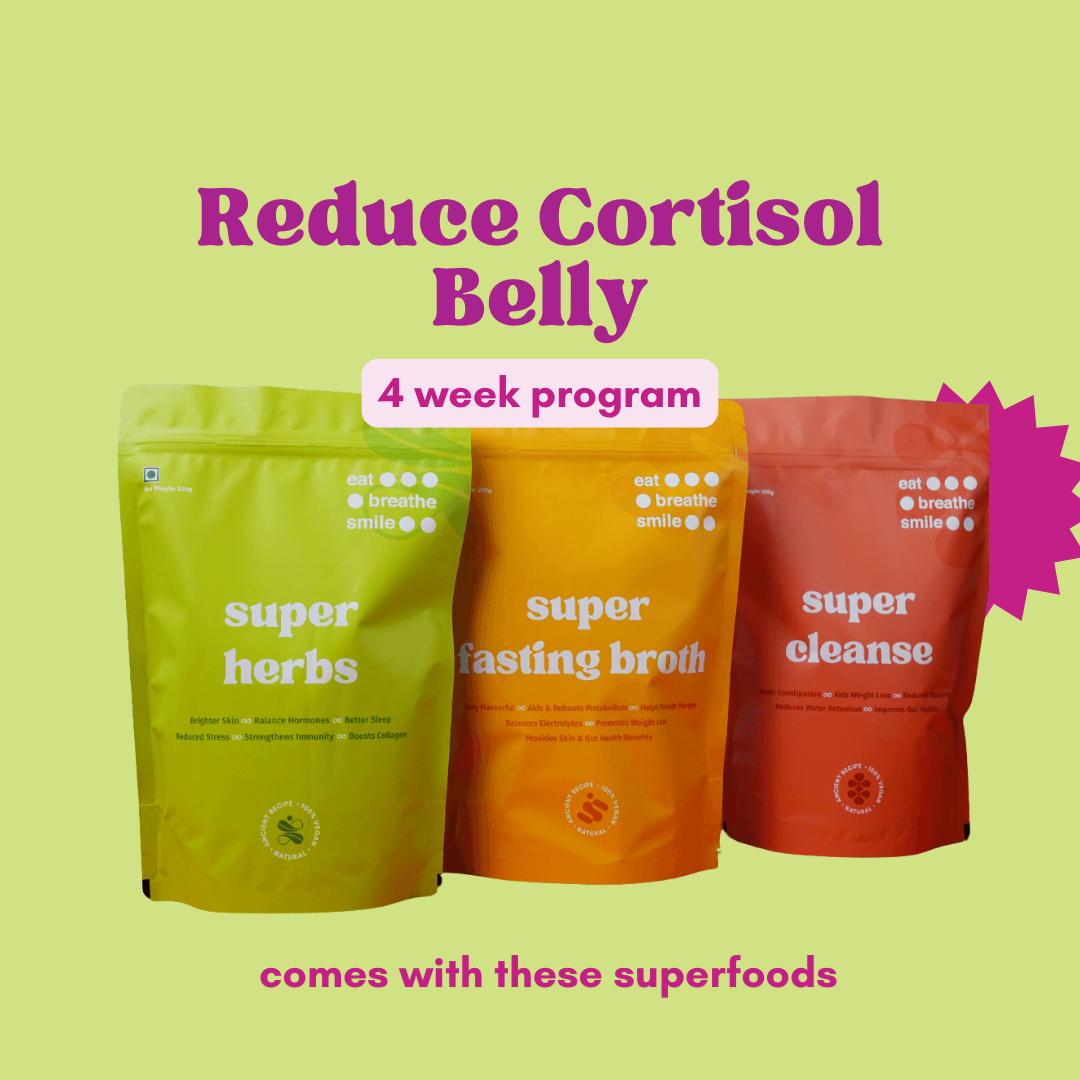
The Hormone Gut Supplements and SuperHerbs use adaptogenic herbs, anti-inflammatory plant compounds, and gut-supportive superfoods to gently rebalance the endocrine system. They work by reducing cortisol, supporting the liver's ability to detoxify excess estrogen, healing the gut (which regulates estrogen recycling), and nourishing the adrenal and thyroid glands with essential micronutrients.
Q3. Can diet and supplements alone fix hormonal imbalance?
For most women, diet, lifestyle, and targeted supplementation can significantly improve or fully resolve mild to moderate hormonal imbalances. Severe clinical conditions may require medical treatment. EatBreatheSmile's programs work best combined with a high-protein diet, reduced sugar, regular movement, adequate sleep, and stress management. 1-on-1 Coaching is available for personalised guidance.
Q4. Is it safe to take hormonal balance supplements long-term?
Yes. EatBreatheSmile's formulas use herbs safely used in Ayurveda and traditional medicine for centuries. They are not synthetic hormones — they support your body's own production and regulation. Unlike synthetic HRT or oral contraceptives, they do not suppress your natural hormonal cycles. Many customers use them continuously as part of their daily wellness routine.
Q5. Can stress really cause hormonal imbalance?
Absolutely. Cortisol, the primary stress hormone, is the master regulator of the entire endocrine system. Chronically elevated cortisol suppresses thyroid function, disrupts the menstrual cycle, causes insulin resistance, and depletes progesterone. Managing cortisol through adaptogenic herbs, mindfulness, and quality sleep is not optional for hormonal health — it is foundational.