




Pigmentation Treatment: Root-Cause Approach for Indian Skin
- Pigmentation in Indian skin is primarily driven by internal triggers, including hormonal fluctuations, chronic inflammation, oxidative stress, liver health, and gut dysbiosis, not just sun exposure. Topical brightening creams can temporarily reduce visible pigmentation, but without addressing these internal root causes, the skin keeps receiving the same melanin-activating signals and the pigmentation returns.
- Indian and South Asian skin tones contain more reactive melanocytes than lighter skin types, meaning the same hormonal, inflammatory, or UV trigger produces more melanin and more persistent pigmentation. This is why pigmentation is both more common and more resistant to standard treatment in Indian women, and why managing the internal environment is particularly important.
- SuperRadiance is the key daily internal support product for pigmentation: Turmeric inhibits tyrosinase (the melanin enzyme), Amla Vitamin C reduces melanin synthesis, Spirulina provides antioxidant protection for skin cells, and Brahmi reduces the inflammatory melanocyte response.
- Melasma, the most common hormonal pigmentation in Indian women, is driven by estrogen-stimulated melanocytes and requires addressing both the hormonal environment and sun protection simultaneously. The liver plays a central role in processing estrogen, and sluggish liver function can worsen hormonal pigmentation by allowing estrogen to recirculate rather than being cleared efficiently.
- Post-inflammatory hyperpigmentation (PIH) from acne, injury, or inflammation is significantly more pronounced and longer-lasting in Indian skin than in lighter skin types, making gut-driven systemic inflammation a direct contributor to PIH severity. Reducing the inflammatory load through diet and gut health is as important as any topical intervention for this type of pigmentation.
- All EBS products are FSSAI approved, MSDS certified, and periodically tested for heavy metals. 100 percent natural. 100 percent vegan. Reports on the EBS certifications page.
- Why Pigmentation Is Different in Indian Skin
- How the Skin Makes Melanin and What Triggers Too Much of It
- Types of Pigmentation in Indian Women: Identifying the Root Cause
- Why Topical Creams Alone Rarely Work Long-Term
- Turmeric, Amla, Spirulina, and Astaxanthin: The Internal Approach
- Melasma and Hormonal Pigmentation: The Liver-Estrogen Connection
- Post-Inflammatory Hyperpigmentation and the Gut-Skin Axis
- Stress, Cortisol, and Why Skin Darkens During Stressful Periods
- Sun Protection for Indian Skin: What Actually Matters
- Who Is Most Affected by Pigmentation in India
- Related Reading
- Frequently Asked Questions
Pigmentation is one of the most common skin concerns for Indian women, and also one of the most persistently mismanaged. The standard response is a brightening cream, a vitamin C serum, or a chemical peel, any of which can produce temporary improvement before the dark patches return within weeks or months. They return because they were never treated at the source. Skin pigmentation in Indian women is driven by internal triggers, hormonal fluctuations, chronic inflammation, liver health, oxidative stress from diet and pollution, and gut bacteria imbalance, that topical products simply cannot reach.
At Eat Breathe Smile, SuperRadiance is the core daily internal support for skin pigmentation, specifically because it contains Turmeric for tyrosinase inhibition, Amla for Vitamin C and melanin reduction, Spirulina for antioxidant skin cell protection, and Brahmi for reducing the inflammatory melanocyte response. Every EBS product is FSSAI approved, MSDS certified, and tested for heavy metals, with reports on the EBS certifications page.
As Health and Life Coach Nipa Asharam consistently observes with the Indian women she works with: the ones who see lasting improvement in pigmentation are always the ones who addressed the internal picture alongside sun protection, rather than chasing the latest brightening product while the hormonal or inflammatory trigger continued to fire.
Last reviewed: June 2026
1. Why Pigmentation Is Different in Indian Skin
Understanding the biology of Indian skin tone is essential context for everything that follows, because it explains why standard pigmentation advice, often written for lighter skin types, frequently underperforms for Indian women.
Melanocytes and Melanin: The Basics
Skin colour is determined not by the number of melanocytes (the cells that produce melanin) but by how active those melanocytes are and how much melanin they produce. Indian and South Asian skin (broadly Fitzpatrick types III to VI) contains melanocytes that are inherently more active than those in lighter skin types, producing more melanin per cell and responding more strongly to the same triggers.
Research published in the Journal of Clinical and Aesthetic Dermatology confirmed that individuals with Fitzpatrick skin types III to VI experience significantly higher rates of post-inflammatory hyperpigmentation, longer duration of pigmentation after resolution of the primary trigger, and greater clinical severity of melasma compared to lighter skin types, establishing the biological basis for the heightened need for anti-inflammatory and antioxidant internal support in Indian and South Asian skin.
What This Means for Pigmentation Specifically
More reactive melanocytes mean that when an inflammatory signal, a hormonal shift, or UV radiation activates melanocytes in Indian skin, the melanin response is proportionally stronger than in lighter skin. A minor acne spot that would leave a faint mark on lighter skin can leave a significant, months-long dark patch on Indian skin. Hormonal pigmentation that would be subtle on lighter skin presents as the pronounced mask-like melasma pattern so familiar to Indian women. This is not a flaw in Indian skin: it is the biology of higher melanocyte activity that also provides better natural UV protection. But it does mean that the triggers driving pigmentation must be managed more attentively.
The Fitzpatrick scale and Indian skin: Research consistently shows that individuals with Fitzpatrick skin types III to VI, which encompasses most Indian and South Asian skin tones, have significantly higher rates of post-inflammatory hyperpigmentation from acne, higher rates of melasma, and longer duration of pigmentation after resolution of the original trigger, compared to Fitzpatrick types I and II. This places Indian skin at particular need for internal anti-inflammatory and antioxidant support that lighter skin types may not require as urgently.
2. How the Skin Makes Melanin and What Triggers Too Much of It
To treat pigmentation effectively from the inside, understanding how melanin is produced and what switches its production into overdrive is the necessary starting point.
The Tyrosinase Enzyme
Melanin production begins when melanocytes receive an activating signal and produce an enzyme called tyrosinase. Tyrosinase converts the amino acid tyrosine through a series of steps into melanin, which is then transferred to surrounding skin cells. The rate of this process determines how much pigmentation occurs: more tyrosinase activity means more melanin. This is precisely why tyrosinase inhibition is the central mechanism behind both topical brightening agents (like kojic acid and niacinamide) and the internal compounds most relevant to pigmentation, particularly curcumin from turmeric.
Triggers That Activate Melanocytes
The three most important triggers for melanocyte activation in Indian women are ultraviolet radiation (UV exposure activates melanocytes directly through DNA damage signalling), inflammation (inflammatory cytokines signal melanocytes to increase melanin production as part of the skin's protective response), and hormones (particularly estrogen and progesterone, which stimulate melanocyte-stimulating hormone receptors). Understanding which trigger is primarily driving your pigmentation determines which intervention matters most.
Melanocyte activation happens over weeks to months, not days. Dark spots and patches that appear suddenly are usually revealing pigmentation that has been building internally over a longer period than the timing of their appearance suggests. Similarly, internal interventions that reduce the triggering signals take several skin cell turnover cycles (28 to 40 days each) before the improved melanin regulation becomes visible at the surface.
3. Types of Pigmentation in Indian Women: Identifying the Root Cause
Not all pigmentation has the same cause, and treating the wrong type with the wrong approach produces limited results. This table maps the most common pigmentation types in Indian women to their primary driver and the most effective interventions.
| Pigmentation Type | Where It Appears | Primary Root Cause | Internal Priority | Timeline for Improvement |
|---|---|---|---|---|
| Melasma | Cheeks, forehead, upper lip, chin (symmetrical) | Hormonal: estrogen and progesterone triggering melanocytes | Hormone and liver support; antioxidants | 3 to 6 months with consistent internal and sun protection |
| Post-inflammatory hyperpigmentation (PIH) | Acne spots, injury sites, any area of prior inflammation | Inflammatory response triggering excess melanin at site | Anti-inflammatory diet and gut health; reduce acne trigger | 6 to 12 weeks once inflammation is resolved |
| Sun-induced darkening | Exposed areas: face, forearms, V of chest | UV radiation directly activating melanocytes | Antioxidants (Astaxanthin, Vitamin C, Spirulina) to reduce oxidative damage | 8 to 12 weeks alongside consistent SPF 50 |
| Dark circles | Under-eye area | Thin under-eye skin, vascular show-through, and poor sleep compounded by anaemia or iron deficiency | Iron and Vitamin C; sleep; reduce cortisol | 8 to 12 weeks with iron correction and sleep improvement |
| Generalised dullness and uneven tone | Whole face | Oxidative stress, gut dysbiosis, sluggish liver, high sugar diet | Antioxidant nutrition, gut health, liver support | 6 to 8 weeks of dietary and supplement change |
4. Why Topical Creams Alone Rarely Work Long-Term
This section addresses the most common and most frustrating pattern in pigmentation management: visible improvement followed by return of the same dark patches within weeks of stopping treatment.
What Topical Products Can and Cannot Do
Topical brightening ingredients (Vitamin C serums, niacinamide, kojic acid, arbutin, and azelaic acid) work at the surface of the skin. The best of them can slow down tyrosinase activity in the upper skin layers, reduce existing melanin deposits by breaking up the melanin clusters, and protect against some further UV damage when combined with sunscreen. What they cannot do is reach the melanocytes in the deeper basal layer of the skin in sufficient concentration to meaningfully change melanocyte behaviour, suppress the hormonal signals from the liver and ovaries that are triggering melasma, reduce the systemic inflammation from gut dysbiosis that is driving post-inflammatory hyperpigmentation, or offset the oxidative stress from diet and pollution that is driving ongoing melanocyte activation.
Why the Pigmentation Returns
When a brightening cream reduces visible pigmentation, it is working on the melanin that has already been deposited. The internal signals that caused that melanin to be deposited in the first place, elevated estrogen, chronic inflammation, oxidative stress, are continuing to fire. The moment the topical treatment is reduced or stopped, the skin simply continues to do what its internal environment was telling it to do all along. This is the cycle that most Indian women stuck in: cream on, looks better; cream off, it comes back. The answer is not a better cream. It is addressing why the melanocytes were triggered in the first place.
5. Turmeric, Amla, Spirulina, and Astaxanthin: The Internal Approach
These four compounds address the primary internal drivers of pigmentation in Indian skin through specific, documented mechanisms. Three of them are in SuperRadiance; the fourth, Astaxanthin, is in PRO-GUT Vegan Protein Collagen.
Turmeric (Curcumin): The Tyrosinase Inhibitor
Curcumin, the active compound in turmeric, is one of the most studied natural tyrosinase inhibitors. Research published in the Journal of Clinical and Aesthetic Dermatology confirmed curcumin's documented inhibitory effects on tyrosinase activity and melanin synthesis, with studies showing reduced pigmentation in both in-vitro models and human skin over consistent supplementation periods. SuperRadiance combines Turmeric with Black Pepper (which increases curcumin bioavailability in the body by up to 2000 percent compared to turmeric alone), making the internal anti-pigmentation effect significantly stronger than turmeric taken without this combination.
Amla (Vitamin C from Indian Gooseberry): Melanin Reduction and Collagen
Amla is among the most concentrated natural sources of stable Vitamin C available. Vitamin C works against pigmentation through two complementary mechanisms: it inhibits tyrosinase (working on the same pathway as curcumin, providing a combined effect), and it converts dopaquinone, an intermediate in the melanin production pathway, back to a less-pigmented form, effectively reducing melanin already being produced. Research published in the Journal of Clinical Biochemistry and Nutrition confirmed Vitamin C's documented inhibition of melanogenesis through tyrosinase inhibition and dopaquinone reduction. Vitamin C from Amla in SuperRadiance works internally, delivering these effects through the bloodstream rather than being limited by the skin barrier that restricts topical Vitamin C concentrations.
Spirulina: Antioxidant Shield for Skin Cells
Spirulina's phycocyanin provides cellular antioxidant protection that directly reduces the oxidative damage to skin cells that triggers melanocyte activation. Oxidative stress from UV exposure, pollution, and a diet high in refined foods is one of the ongoing signals that keeps melanocytes in an activated state. Spirulina in SuperRadiance taken daily provides consistent antioxidant coverage that reduces this ongoing activation signal across the day.
Astaxanthin: Photo-Oxidative Protection from PRO-GUT
Astaxanthin is one of the most potent natural antioxidants available, with significantly stronger free-radical quenching capacity than both Vitamin C and Vitamin E. Its specific relevance to Indian skin pigmentation lies in its documented ability to protect skin cells from photo-oxidative damage (the oxidative stress caused by UV exposure that activates melanocytes). Research published in Marine Drugs confirmed astaxanthin's anti-photoaging and melanogenesis-inhibiting effects, with documented reduction in UV-induced melanin production in human skin cell studies. PRO-GUT Vegan Protein Collagen contains Astaxanthin alongside Amla, combining two complementary mechanisms in a single morning formula.
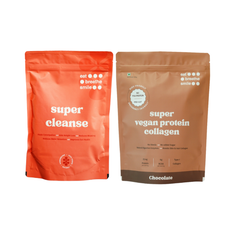
The Clear Skin Bundle: SuperRadiance and SuperCleanse Together
SuperRadiance provides Turmeric, Amla, Spirulina, and Brahmi for internal pigmentation support. SuperCleanse provides gut and colon clearance to reduce the systemic inflammatory load that drives PIH and hormonal pigmentation. Free skin guide included.
Shop the Clear Skin Bundle6. Melasma and Hormonal Pigmentation: The Liver-Estrogen Connection
Melasma is the most common and most frustrating pigmentation type for Indian women. Understanding its specific hormonal mechanism explains why sun protection alone is insufficient and why liver health is directly relevant.
How Estrogen Triggers Melanocytes
Estrogen and progesterone stimulate melanocyte-stimulating hormone (MSH) receptors in the skin, increasing melanin production when these hormones are elevated. This is why melasma typically appears during pregnancy, while on hormonal contraceptives, and during perimenopause when hormones fluctuate. Indian women are disproportionately affected because the combination of hormonal sensitivity, higher baseline melanocyte activity, and high UV exposure creates a stronger cumulative melasma-driving environment than in many other populations.
The Liver-Estrogen Pathway
The liver is responsible for metabolising and clearing estrogen after it has been used by the body. When liver function is sluggish, either from fatty liver, chronic inflammation, high processed food intake, or alcohol, estrogen clearance slows down and estrogen levels stay elevated longer than they should. This sustained elevated estrogen continues to stimulate melanocytes even without an obvious external hormonal trigger, producing the persistent quality of melasma that many Indian women experience. Super Detox provides Bhumyamalaki for liver health and bile flow support, Turmeric for liver anti-inflammatory action, and Guduchi for hepatoprotective support, directly addressing the liver side of the melasma-driving hormonal equation.
Why SPF Alone Is Not Enough for Melasma
Sun protection is essential for melasma management because UV exposure is the most potent trigger for estrogen-activated melanocytes. But if the underlying hormonal or liver health picture is not addressed, melasma will still be present in winter, in indoor workers, and in women who are diligent with sunscreen. The hormonal signal continues regardless of UV exposure. Both the external UV trigger and the internal hormonal trigger must be addressed for meaningful melasma improvement.
7. Post-Inflammatory Hyperpigmentation and the Gut-Skin Axis
Post-inflammatory hyperpigmentation (PIH) from acne is one of the most significant skin concerns for Indian women, and gut health is one of its most under-recognised internal drivers.
How Gut Dysbiosis Drives PIH
The gut-skin axis describes the direct communication pathway through which gut bacterial balance affects skin health. When gut bacteria are imbalanced (dysbiosis), the gut lining becomes more permeable, allowing inflammatory molecules including bacterial lipopolysaccharides to enter the bloodstream. These circulating inflammatory signals activate immune cells throughout the body, including in the skin, and inflammatory skin conditions including acne become more frequent and more severe. More frequent acne in Indian skin means more PIH, since each inflammatory lesion triggers a melanocyte response that leaves a dark mark. Research published in Gut Microbes confirmed the documented link between gut microbiome composition and acne-related skin inflammation through systemic inflammatory pathways.
Reducing PIH Through the Gut
For Indian women whose acne-related PIH is not improving despite topical treatment, addressing gut health is often the most impactful single change available. Improving gut bacterial balance through dietary fiber diversity and the Gut Reset Bundle reduces the systemic inflammatory signal that is producing the acne driving the PIH. Less acne and less severe acne means fewer inflammatory lesions and therefore less PIH being continuously added to existing marks.
SuperCleanse and the Colon-Skin Connection
SuperCleanse, which contains Triphala (Haritaki, Bhibhitaki, Amalaki), Senna, Manjistha, Ajwain, and Soonth, addresses colon health and gut bacterial rebalancing through prebiotic action. Manjistha, an ingredient with a long Ayurvedic history of use specifically for skin tone and blood purification, appears in the Clear Skin Bundle's SuperCleanse component for exactly this skin-relevant reason, supporting both the gut bacterial environment and the blood toxin clearance that contributes to clearer, more even skin tone.
If you are experiencing both acne and PIH simultaneously, treating the pigmentation while the acne continues is a losing battle: the acne keeps generating new dark spots faster than treatment can fade old ones. The most efficient approach is to address the gut inflammation driving the acne first, which simultaneously reduces the source of PIH and allows existing marks to fade without new ones being added.
8. Stress, Cortisol, and Why Skin Darkens During Stressful Periods
Many Indian women notice that their skin darkens noticeably during high-stress periods and wonders why. The mechanism is specific and worth understanding.
How Cortisol Affects Skin Pigmentation
The stress response activates the HPA (hypothalamic-pituitary-adrenal) axis, which produces cortisol and also stimulates pro-opiomelanocortin (POMC), a precursor molecule that breaks down into both ACTH (which stimulates cortisol production) and alpha-MSH (melanocyte-stimulating hormone). The direct consequence is that during periods of chronic stress, melanocyte-stimulating hormone production increases alongside cortisol, directly triggering increased melanin production in the skin. This is why skin tone can look noticeably darker, dull, or more pigmented during stressful periods even without additional sun exposure.
Ashwagandha for the Stress-Skin Connection
SuperRadiance contains Ashwagandha, which has documented cortisol-modulating effects through HPA axis regulation. By supporting healthier cortisol rhythms, Ashwagandha indirectly reduces the POMC-driven melanocyte stimulation that stress produces, addressing the stress-skin darkening connection at the hormonal level rather than only topically. This is why Ashwagandha appears in a skin-focused product alongside Turmeric and Amla: because cortisol management is a genuine pigmentation intervention, not just a general wellness benefit.
9. Sun Protection for Indian Skin: What Actually Matters
Every internal intervention in this article works alongside sun protection, not instead of it. UV exposure is the single most potent external trigger for all types of pigmentation in Indian skin, and without sunscreen, internal antioxidants and anti-inflammatory support are constantly working against an active, repeated trigger.
SPF Requirements for Indian Skin
For Indian skin with active hyperpigmentation or melasma, SPF 50 broad-spectrum (protecting against both UVA and UVB) is the minimum effective level, applied as the final step in the morning skincare routine, including on cloudy days (UVA penetrates cloud cover) and when primarily indoors near windows (UVA passes through glass). The common tendency of Indian women to apply sunscreen only when going out in direct sun significantly reduces its effectiveness against the UV exposure that occurs during commuting, driving, and sitting near windows.
Internal SPF: Astaxanthin and the Photoprotection Effect
While nothing replaces topical sunscreen, certain antioxidants taken internally provide an additional layer of photoprotection by reducing the oxidative damage that UV radiation causes inside skin cells, even after some UV has penetrated past the topical SPF barrier. Astaxanthin in PRO-GUT Vegan Protein Collagen and the Spirulina and Amla in SuperRadiance collectively provide antioxidant coverage that reduces the photo-oxidative damage that is not blocked by topical sunscreen alone, particularly relevant for Indian women with significant outdoor or window-adjacent UV exposure during the day.
The sunscreen application reality for Indian women: Most people apply 20 to 40 percent of the sunscreen dose needed to achieve the stated SPF protection, meaning an SPF 50 applied in typical amounts may provide the equivalent of SPF 10 to 20 in practice. Using a generous amount, two finger lengths for the face alone, and reapplying midday if significantly outdoors, delivers the photoprotection that the label promises and that internal antioxidants can then meaningfully supplement rather than substitute for.
- Pigmentation in Indian skin requires an internal approach because the root causes (hormonal signals, inflammation, oxidative stress, liver health, gut dysbiosis) all operate from inside the body. Topical products address what has already been deposited but cannot prevent new pigmentation from forming while internal triggers continue to fire.
- SuperRadiance is the primary internal support for pigmentation because it contains four evidence-relevant ingredients: Turmeric (curcumin inhibits tyrosinase), Amla (Vitamin C inhibits melanin synthesis and supports skin collagen), Spirulina (antioxidant protection for skin cells), and Ashwagandha (reduces cortisol-driven melanocyte activation). Taken 1 teaspoon in warm water every morning before breakfast.
- PRO-GUT Vegan Protein Collagen provides Astaxanthin for photo-oxidative skin protection and Amla for additional Vitamin C, complementing SuperRadiance's anti-pigmentation stack with specific protection against UV-induced melanocyte activation.
- Melasma requires addressing the liver-estrogen pathway alongside sun protection. Super Detox (Bhumyamalaki, Turmeric, Guduchi) addresses the liver's estrogen clearance role that directly affects melasma severity.
- For PIH from acne, gut health is the most under-recognised lever. Reducing gut-driven inflammation through the Gut Reset Bundle reduces acne frequency and the rate of new PIH generation in Indian skin.
10. Who Is Most Affected by Pigmentation in India
11. Related Reading
12. Frequently Asked Questions
Why does pigmentation keep coming back even after treatment?
Because the internal root cause was never addressed. Topical creams reduce existing melanin deposits but cannot suppress the hormonal signals, gut-driven inflammation, or oxidative stress that continue to activate melanocytes. The pigmentation returns because the skin keeps receiving the same internal triggers. Section 4 covers this cycle in full, and Sections 5 through 8 address each root cause specifically.
Is pigmentation in Indian skin different from pigmentation in lighter skin?
Yes. Indian and South Asian skin has more reactive melanocytes that produce more melanin in response to the same trigger, making pigmentation more pronounced, more persistent, and harder to treat than in lighter skin types. This is why managing the internal inflammatory and hormonal environment is particularly critical for Indian women. Section 1 covers the underlying biology.
What is melasma and why is it so common in Indian women?
Melasma is hormonal pigmentation triggered by estrogen and progesterone stimulating melanocytes, producing symmetrical patches on the face. Indian women are disproportionately affected due to the combination of higher melanocyte reactivity, high estrogen sensitivity, and unavoidable UV exposure. Section 6 covers melasma and the liver-estrogen connection that makes it particularly persistent.
Does turmeric really help with pigmentation?
Yes. Curcumin from turmeric is a documented tyrosinase inhibitor that reduces melanin production. SuperRadiance combines Turmeric with Black Pepper, significantly increasing curcumin bioavailability. Taken internally, this reaches melanocytes through the bloodstream rather than being limited by the skin barrier that restricts topical turmeric. Section 5 covers the full mechanism and research.
How long does it take to see improvement in pigmentation?
8 to 12 weeks minimum for internal approaches to show visible improvement, since skin cell turnover takes 28 to 40 days. Melasma specifically can take 3 to 6 months of consistent effort. Setting a 3-month minimum before evaluating whether an approach is working is more realistic than expecting change in weeks.
Can gut health affect skin pigmentation?
Yes, through the gut-skin axis. Gut dysbiosis produces systemic inflammatory signals that activate skin melanocytes, worsens acne and therefore PIH, impairs antioxidant absorption, and disrupts estrogen metabolism through the estrobolome. Improving gut health through the Gut Reset Bundle has downstream effects on skin pigmentation through all of these pathways. Section 7 covers this connection in full.
What is the most important thing for managing pigmentation in Indian skin?
Consistent SPF 50 broad-spectrum sunscreen daily is the essential foundation, since UV exposure is the most potent melanocyte trigger and without it, all other interventions are working against an ongoing stimulus. Internally, SuperRadiance (Turmeric, Amla, Spirulina, Brahmi) and PRO-GUT (Astaxanthin) address the most important nutritional and antioxidant factors. Section 9 covers the specifics of sunscreen application for Indian skin.