


Fatty Liver Disease: 10 Symptoms Most Indians Ignore
- Fatty liver disease is one of the most common and most under-diagnosed conditions in India today, frequently present with no noticeable symptoms at all, especially in its earlier stages. Most cases are discovered incidentally during a routine ultrasound or blood test rather than because a person noticed something was wrong.
- India has a distinctive risk profile for fatty liver disease. Indians tend toward insulin resistance and visceral fat accumulation at lower body weights than many other populations, meaning fatty liver can develop even in people who are not overweight by standard measures, a pattern called lean NAFLD.
- The symptoms most people ignore are largely vague and easy to dismiss: persistent fatigue, mild right upper abdominal discomfort, unexplained bloating, and unexplained weight gain around the midsection. More advanced signs like yellowing skin, dark neck or underarm patches, and abdominal swelling indicate the disease has progressed further and need prompt medical attention.
- Fatty liver disease is generally reversible in its early stages through sustained weight management, reduced refined sugar intake, and regular physical activity, but this must be confirmed and monitored through proper medical testing, not assumed from symptoms alone.
- The Liver Detox Supplements bundle from Eat Breathe Smile combines SuperCleanse and Super Detox, containing Turmeric, Bhumyamalaki, Guduchi, Chlorella, Wheatgrass, Spirulina, and Trikatu, ingredients traditionally associated with liver and digestive support, and may be a reasonable nutritional complement to lifestyle changes for general wellness, but it is not a treatment for diagnosed fatty liver disease and should be discussed with your doctor as part of an overall plan.
- All EBS products are FSSAI approved, MSDS certified, and tested for heavy metals. 100 percent natural. 100 percent vegan. No preservatives.
- What Is Fatty Liver Disease?
- Why Fatty Liver Disease Is So Common in India
- The 10 Symptoms Most Indians Ignore: The Full List
- Early Silent Symptoms vs Signs of Advanced Disease
- The Indian Thin-Fat Connection: Normal Weight Does Not Mean Safe
- How Fatty Liver Disease Is Actually Diagnosed
- Lifestyle Changes With the Strongest Evidence
- Diet Changes That Support Liver Health
- Where Nutrition and Supplements Fit In, With Real Caveats
- Who Should Get Tested and Red Flags for Urgent Care
- Related Reading
- Frequently Asked Questions
Fatty liver disease has quietly become one of the most common health conditions in urban India, and one of the most consistently missed, precisely because it so rarely announces itself clearly. Most people who have it feel largely fine, or attribute the vague tiredness and mild digestive discomfort to stress, poor sleep, or simply getting older. By the time symptoms become impossible to ignore, the disease has often already progressed further than it needed to before someone finally sought medical evaluation.
At Eat Breathe Smile, we take fatty liver disease seriously as a medical condition that deserves proper diagnosis and doctor-guided management. The Liver Detox Supplements bundle (SuperCleanse and Super Detox together) contains ingredients traditionally associated with liver and digestive support and may be a reasonable nutritional complement to lifestyle changes, but it is not a substitute for medical diagnosis or treatment. Every EBS product is FSSAI approved, MSDS certified, and tested for heavy metals, with reports on the EBS certifications page.
As Health and Life Coach Nipa Asharam observes when this topic comes up in conversation: the single most useful thing anyone can do is stop waiting for symptoms to decide whether to get tested. Fatty liver disease is one of the clearest examples of a condition where feeling fine and being fine are not the same thing, and a simple blood test or ultrasound tells you far more than paying close attention to how you feel ever will.
Last reviewed: July 2026
1. What Is Fatty Liver Disease?
Understanding the basic mechanism clarifies why this condition is both so common and so easy to miss.
The Basic Definition
Fatty liver disease occurs when excess fat accumulates in liver cells, beyond what is considered a normal amount. When this fat accumulation is not primarily caused by alcohol consumption, it is referred to as non-alcoholic fatty liver disease (NAFLD), though the medical community increasingly uses the term MAFLD (metabolic-associated fatty liver disease) to better reflect the strong connection to insulin resistance and metabolic factors that most cases in India actually involve.
The Spectrum of Severity
Fatty liver disease exists on a spectrum. Simple fatty liver (steatosis alone) involves fat accumulation without significant inflammation and is generally considered reversible. If inflammation develops alongside the fat, this is called steatohepatitis (NASH or MASH), a more serious stage that can progress to fibrosis (scarring) and, in advanced cases, cirrhosis. Understanding which stage is present requires medical testing, not guesswork based on symptoms.
How common is fatty liver in India: Multiple population studies have found fatty liver disease present in a substantial proportion of urban Indian adults, with figures in various studies ranging from roughly one in four to as many as one in three adults, depending on the population studied and diagnostic method used. This makes it one of the most prevalent liver conditions in the country, far more common than public awareness of the condition would suggest.
2. Why Fatty Liver Disease Is So Common in India
Insulin Resistance as the Primary Driver
Most fatty liver disease in India is closely linked to insulin resistance, the same underlying metabolic pattern involved in type 2 diabetes and PMOS. Research published in Gut Microbes confirmed the documented relationship between metabolic and hormonal signalling disruption and broader physiological regulation, relevant background for how insulin resistance affects multiple organ systems including the liver simultaneously. When cells become less responsive to insulin, the liver receives altered signals that promote fat storage within liver cells themselves, making insulin resistance one of the most important underlying drivers to address.
Dietary and Lifestyle Shifts
The urban Indian diet's shift toward refined carbohydrates, sugar, and reduced physical activity has accelerated the conditions that promote fatty liver disease. Research published in Nutrition Reviews confirmed dietary fibre's documented role in reducing postprandial glucose and insulin response, relevant background for how refined, low-fiber diets contribute to the insulin resistance pattern underlying most Indian fatty liver cases.
3. The 10 Symptoms Most Indians Ignore: The Full List

These ten signs are commonly dismissed or attributed to unrelated causes, but together they form a pattern worth paying attention to and discussing with a doctor.
| Symptom | Often Mistaken For |
|---|---|
| Persistent fatigue not relieved by rest | Stress, poor sleep, "just being busy" |
| Mild discomfort or fullness in the upper right abdomen | Gas, acidity, or a pulled muscle |
| Unexplained bloating | General digestive sensitivity or food intolerance |
| Unexplained weight gain, particularly around the midsection | Age-related metabolism slowdown |
| Mild brain fog or difficulty concentrating | Lack of sleep or general tiredness |
| Dark, velvety patches of skin on the neck or underarms | Poor hygiene or friction marks |
| Elevated liver enzymes on a routine blood test | A "lab error" or dismissed without follow-up |
| Loss of appetite | Stress or a temporary digestive upset |
| Yellowing of the skin or eyes (more advanced sign) | Rarely ignored, but sometimes delayed before seeking care |
| Swelling in the abdomen or legs (more advanced sign) | Water retention or "standing too much" |
Several of these symptoms, particularly the first eight, are genuinely nonspecific and can have many causes unrelated to the liver. This table is not meant to suggest that experiencing any one of them means you have fatty liver disease. It is meant to show how easily these signs blend into everyday life explanations, which is exactly why liver function testing, rather than symptom-watching, is the reliable way to know.
4. Early Silent Symptoms vs Signs of Advanced Disease
Why Distinguishing the Two Matters
Not all ten symptoms carry the same weight or urgency. Fatigue, mild bloating, and dark neck patches (a sign linked to insulin resistance called acanthosis nigricans) are the kind of symptoms that can appear relatively early and are genuinely easy to dismiss. Yellowing skin or eyes, significant abdominal swelling, and unexplained weight loss are signs of more advanced liver involvement and warrant prompt medical attention rather than a wait-and-see approach.
Some of these vague symptoms overlap with the digestive changes covered in the constipation and metabolic health guide, since both connect back to similar underlying metabolic patterns.
The Danger of Waiting for "Real" Symptoms
Because early fatty liver disease can be entirely without symptoms, and because the symptoms that do appear are often vague, many people effectively wait for more dramatic or unmistakable signs before seeking evaluation. By the time those more advanced signs appear, the disease may have already progressed to a stage requiring more intensive medical management than would have been needed if it had been caught earlier.
The 7 to 10 percent number: Multiple clinical studies have found that a sustained weight loss of 7 to 10 percent of body weight produces measurable improvement in liver fat content and inflammation for many people with fatty liver disease. This is one of the most consistently replicated findings in fatty liver research and underscores why early detection, while weight loss goals are more modest and achievable, matters so much.
5. The Indian Thin-Fat Connection: Normal Weight Does Not Mean Safe
What "Lean NAFLD" Means
Fatty liver disease occurring in a person with a normal body mass index is sometimes called lean NAFLD, and it is disproportionately common in Indian and South Asian populations. This connects to the broader "thin-fat phenotype" observed in Indian metabolic research, where visceral fat and insulin resistance can be substantial even when a person's overall weight and BMI appear entirely normal.
Why BMI Alone Is Not Reliable for Indians
This means an Indian man or woman with a BMI in the "normal" range cannot assume they are free of fatty liver risk based on weight alone. Waist circumference, blood sugar levels, and lipid profile provide a more complete picture of metabolic and liver risk for Indians specifically than BMI does on its own.
6. How Fatty Liver Disease Is Actually Diagnosed
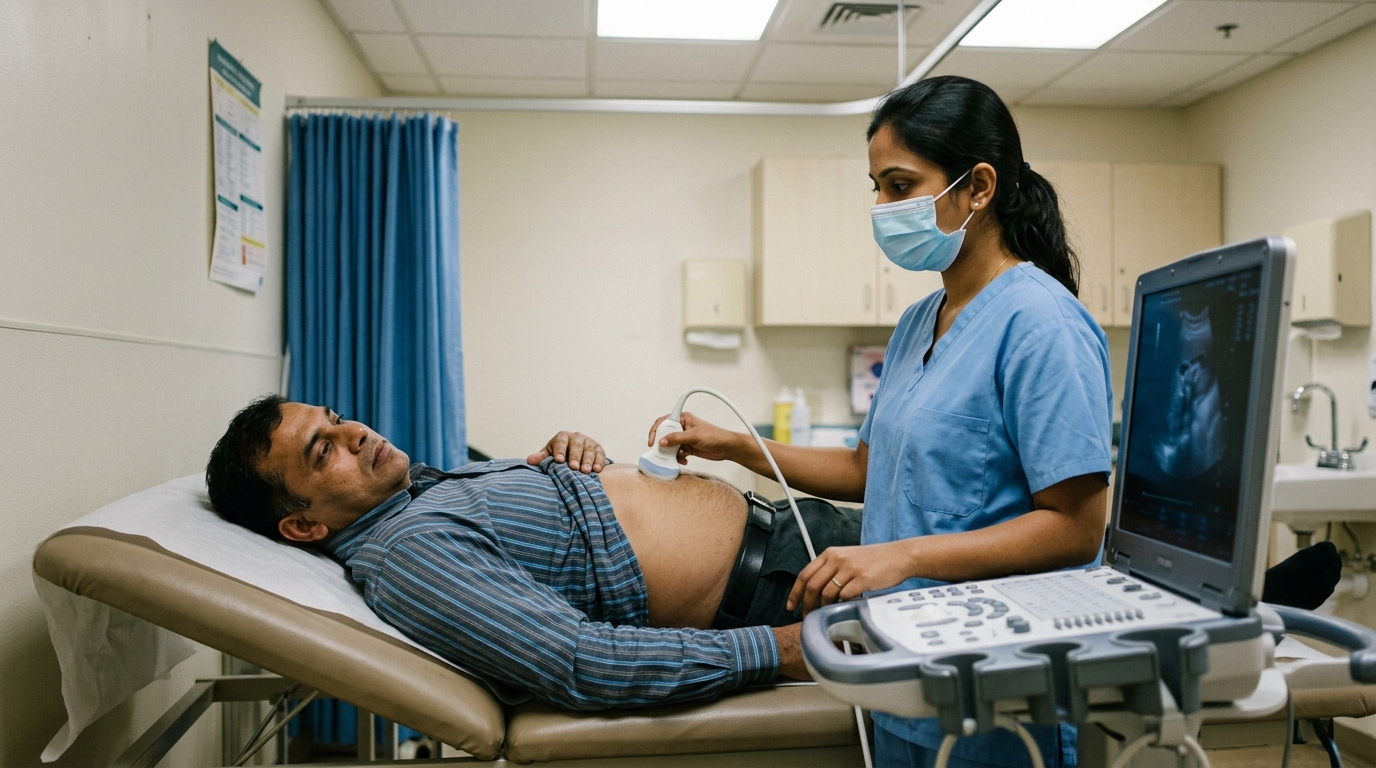
Blood Tests
Liver function tests measuring enzymes like ALT and AST can indicate liver inflammation, though these enzymes can be normal even in the presence of significant fat accumulation, meaning normal blood tests alone do not fully rule out fatty liver disease.
Imaging: Ultrasound and Beyond
An abdominal ultrasound is the most commonly used first-line test to visualise fat within the liver and is widely available across India. For more precise assessment of both fat content and any scarring, a doctor may recommend a FibroScan (transient elastography), a specialised, non-invasive test increasingly available in larger Indian cities.
Testing Comes First. Support Comes Alongside.
If you have risk factors for fatty liver disease, a liver function test and ultrasound with your doctor is the appropriate first step, not a supplement. Once you have a diagnosis and a doctor-guided plan, general nutritional support can be discussed as a complement.
Book a Coaching Session to Discuss Your Plan7. Lifestyle Changes With the Strongest Evidence
Weight Management
Sustained, gradual weight loss remains the most consistently evidence-supported intervention for fatty liver disease, with even modest reductions of 7 to 10 percent of body weight producing measurable improvement for many people, as covered in Section 4.
Regular Physical Activity

Both aerobic exercise and resistance training have documented benefits for liver fat reduction, independent of weight loss in some studies, making regular movement valuable even before significant weight change occurs.
Managing Stress and Cortisol
Chronic stress and elevated cortisol contribute to insulin resistance, the primary metabolic driver of fatty liver disease covered in Section 2. Research published in the Indian Journal of Psychological Medicine confirmed Ashwagandha root extract's documented significant cortisol reduction, relevant to the broader metabolic picture that stress management plays alongside diet and exercise in supporting insulin sensitivity.
Reducing Refined Sugar and Alcohol
Fructose specifically, common in sugary beverages and many processed foods, has a documented role in promoting liver fat accumulation through its metabolic processing pathway. Reducing added sugar, alongside minimising or eliminating alcohol, addresses two of the most direct dietary contributors to liver fat.
8. Diet Changes That Support Liver Health
Emphasising Fiber and Whole Grains
Replacing refined grains like maida and white rice with whole grains, millets, and legumes reduces the glycaemic load that drives insulin resistance, addressing the underlying metabolic pattern rather than only the liver fat itself.
Adequate Protein Intake
Adequate protein supports overall metabolic health and helps preserve muscle mass during any weight management efforts, which is relevant since muscle tissue plays a role in overall insulin sensitivity.
Women managing PMOS specifically may find the estrogen and hormone balance guide useful, since the same insulin resistance pattern connects both conditions.
Reducing Ultra-Processed Food
Ultra-processed foods, often high in refined sugar, refined oil, and additives, are consistently associated with poorer metabolic health markers in research, making their reduction a reasonable general dietary priority alongside the specific changes above.
These dietary changes are the same general principles recommended for insulin resistance and PMOS management, reflecting how closely fatty liver disease is connected to the same underlying metabolic pattern. If you are already managing insulin resistance through diet, you are likely already supporting liver health in the process.
9. Where Nutrition and Supplements Fit In, With Real Caveats
How the Liver Detox Supplements Bundle Helps
The Liver Detox Supplements bundle combines Super Detox (200g) and SuperCleanse (200g), covering two complementary angles of liver and digestive wellness. Super Detox brings together Turmeric, Bhumyamalaki, Guduchi, Chlorella, Wheatgrass, and Spirulina, ingredients with a long history in Ayurveda specifically associated with supporting liver function and providing antioxidant nourishment, alongside Trikatu for digestive enzyme activity. SuperCleanse brings Senna, Haritaki, Bhibhitaki, Amalaki, Ajwain, Soonth, and Manjistha, aimed at gentle gut motility, reducing bloating, and easing the water retention and sluggish digestion that often accompany a taxed liver. Together, taken as directed (Super Detox each morning before breakfast, SuperCleanse each night after dinner), the bundle offers consistent daily support for two systems that work closely together, gut and liver, rather than addressing either in isolation.
The Ingredients Behind the Support
Research published in the International Journal of Molecular Sciences confirmed curcumin's documented anti-inflammatory effects through NF-kB inhibition, supporting Turmeric's traditional role in the formula. Research published in Nutrients confirmed Spirulina's documented antioxidant and metabolic protective effects, relevant to the general nutritional support Super Detox provides. Bhumyamalaki and Guduchi both carry a long history of traditional Ayurvedic use specifically in the context of liver wellness, and their inclusion alongside Chlorella and Wheatgrass rounds out the formula's antioxidant profile. On the SuperCleanse side, Ajwain and Haritaki provide the carminative and gentle motility support that keeps digestion moving comfortably, while Manjistha adds further antioxidant and skin-supportive benefit.
What This Bundle Contains
EBS sells Liver Detox Supplements as this Super Detox and SuperCleanse pairing, and nothing else is added to either formula. The brand describes the bundle as supporting gut health, reducing bloating and water retention, and generally supporting liver function, reflecting the traditional and nutritional roles of these ingredients.
The Liver Detox Supplements bundle is designed as general wellness and nutritional support, and it works best as part of the broader lifestyle approach covered in Sections 7 and 8, weight management, exercise, and reduced sugar and alcohol intake, rather than on its own. It has not been established as a treatment for diagnosed fatty liver disease, and if you have received a diagnosis, your doctor's guidance should shape your overall plan, with this bundle discussed as a complement within that plan rather than a replacement for it.
What This Does Not Mean
None of this establishes the Liver Detox Supplements bundle, or any supplement, as a treatment for diagnosed fatty liver disease. The evidence base for reversing or managing fatty liver disease itself centres on the lifestyle changes covered in Sections 7 and 8, under medical guidance and monitoring. General antioxidant and anti-inflammatory nutritional support may be a reasonable complement to those changes for overall wellness, but this should be discussed with your doctor as part of your specific situation rather than used as a standalone approach or substitute for medical care.
The Honest Framing
If you have been diagnosed with fatty liver disease or suspect you may be at risk, the sequence that matters is: get tested, follow your doctor's guidance on lifestyle changes and any necessary monitoring, and only then consider whether general nutritional support fits into that picture, in conversation with your doctor rather than instead of them.
- Fatty liver disease is extremely common in India and frequently silent, especially in early stages, meaning it is often discovered incidentally rather than through noticeable symptoms. Relying on how you feel to decide whether to get tested is not reliable.
- The ten commonly ignored symptoms range from vague and easy to dismiss (fatigue, bloating, mild abdominal discomfort) to clear signs of more advanced disease (yellowing skin, abdominal swelling) that need prompt medical attention.
- Indians are prone to fatty liver disease even at normal body weight due to the thin-fat phenotype and associated insulin resistance, meaning BMI alone should not be used to rule out risk.
- Fatty liver disease is generally reversible in early stages through sustained weight management, exercise, and reduced sugar and alcohol intake, but this requires medical diagnosis and monitoring rather than assumption.
- The Liver Detox Supplements bundle (SuperCleanse and Super Detox) contains traditionally liver and gut-relevant ingredients and may complement lifestyle changes for general wellness, but it is not a treatment for diagnosed fatty liver disease and should always be discussed with your doctor as part of an overall plan.
10. Who Should Get Tested and Red Flags for Urgent Care
Who Should Prioritise Testing
People with insulin resistance, PMOS, elevated blood sugar, high triglycerides, central obesity (even at normal overall weight), or a family history of fatty liver or type 2 diabetes should discuss liver function testing with their doctor, regardless of whether any symptoms are present.
Red Flags Needing Prompt Medical Attention
Persistent right upper abdominal discomfort, unexplained fatigue that does not improve with rest, unexplained weight loss, yellowing of the skin or eyes, or swelling in the abdomen or legs should prompt a doctor's visit rather than a wait-and-see approach.
11. Related Reading
12. Frequently Asked Questions
Can you have fatty liver disease with no symptoms at all?
Yes, this is the most common presentation, especially in early stages. Fatty liver disease is often discovered incidentally during testing done for other reasons. This is why symptom-watching alone is unreliable and testing is recommended for those with risk factors. Section 1 and Section 6 cover this in full.
Is fatty liver disease reversible?
Yes, generally, in its early stages, through sustained weight loss, reduced sugar and alcohol, and regular activity. Once significant scarring develops, reversal becomes considerably harder, which is why early detection matters. This should be monitored by a doctor through follow-up testing. Section 4 and 7 cover this in detail.
Why is fatty liver disease so common in India specifically?
Indians have a documented tendency toward insulin resistance and visceral fat at lower body weights, the thin-fat phenotype, meaning fatty liver can develop even without being overweight. The shift toward refined carbohydrates and reduced activity compounds this. Section 2 and 5 cover this connection in full.
What tests actually diagnose fatty liver disease?
Liver function blood tests indicate inflammation but do not confirm fat accumulation alone. Abdominal ultrasound is the standard first-line imaging test. FibroScan provides more precise fat and scarring assessment. Section 6 covers the diagnostic process in full.
Can normal weight people get fatty liver disease?
Yes, called lean NAFLD, and it is disproportionately common in Indian populations due to the thin-fat phenotype. BMI alone should not be used to rule out risk for Indians specifically. Section 5 covers this connection.
Can supplements cure or treat fatty liver disease?
No. No supplement should be considered a cure or primary treatment. Sustained lifestyle change and medical guidance are the established approach. Liver Detox Supplements may complement lifestyle changes for general wellness but is not a substitute for diagnosis or medical care. Section 9 covers this honestly and in full.
When should I see a doctor about fatty liver disease?
See a doctor for testing if you have insulin resistance, PMOS, elevated blood sugar, or family history, even without symptoms. See a doctor promptly for persistent abdominal discomfort, unexplained fatigue, yellowing skin, or swelling. Section 10 covers the complete list.